 Why Us
 Contact us
 ไทย
ไทย



BONE STRENGTHENING

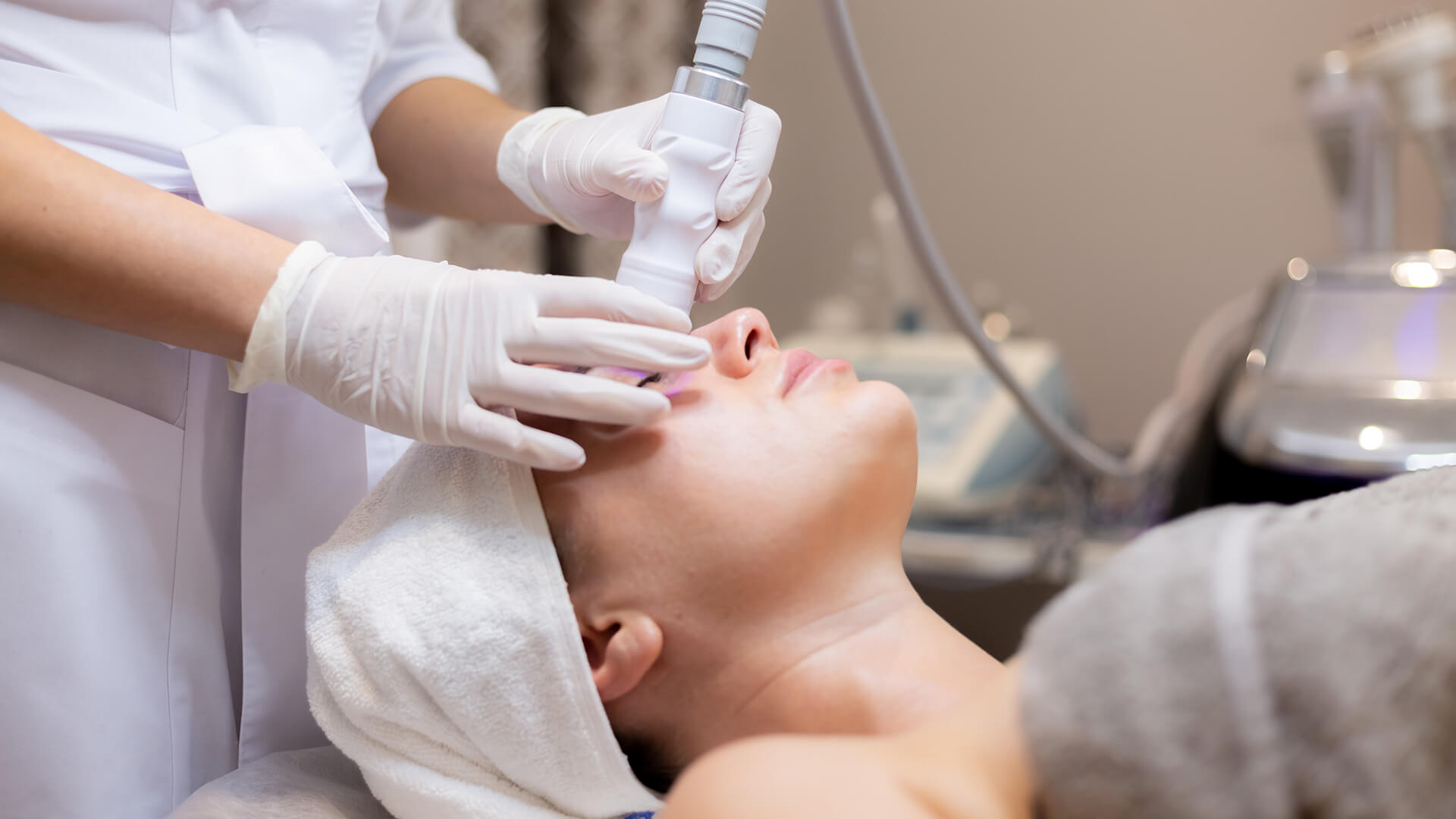
BONE STRENGTHENING
Our bone mass reaches its peak density and strength between the ages of 25 and 30. After that, it gradually begins to decline with age and individual hormone levels. Therefore, having greater bone mass at a younger age is more beneficial. Once past that age range, increasing bone mass becomes considerably more difficult, as it requires overcoming the natural process of bone loss in order to achieve any gain.
Currently, there is no guaranteed method to significantly increase bone mass in cases of osteopenia or osteoporosis. Most treatments aim to slow down bone thinning and reduce the risk of fractures. This is because the process of building bone involves much more than just calcium or vitamin D—it requires a combination of many other factors working together.

Protetite
A special type of calcium for bones, in nano-sized particles, closely resembles the molecular structure of our own bones. This allows it to be efficiently absorbed and directly deposited into bone tissue.
Protetite – The Special Bone Calcium
Most conventional calcium supplements on the market are only absorbed at about 10% after ingestion. For example, if you take 1,000 mg, your body may absorb only 100 mg, while the remaining 900 mg stays in the intestines. This residue can lead to side effects such as constipation, diarrhea, bloating, stomach pain, or even intestinal inflammation. Moreover, the 100 mg that enters the bloodstream does not necessarily get deposited in the bones—it travels throughout the body and may accumulate in various tissues. There’s no way to know how much of the calcium you take actually reaches your bones.
Wouldn’t it be better if there were a type of calcium that was highly absorbable and effectively stored in the bones?
Protetite is a special form of calcium that binds with collagen and magnesium, giving it a molecular structure that closely resembles that of human bone. This allows it to be efficiently deposited directly into the bones. Additionally, it is nano-sized, enabling absorption as early as in the stomach. The presence of collagen further enhances the absorption of Protetite, making it even more effective.

Vitamins for Bone Health
After a long day of hard work, it’s even more important to make time to take care of yourself.
Three essential vitamins for bone health—Vitamin C, D3, and K2—also help strengthen the immune system and support overall wellness.
3 Key Vitamins for Bone Health (C, D3, K2)
Vitamin C plays a crucial role in the production of collagen, which forms the main framework of bones. This framework acts as a scaffold for minerals to bind and harden into solid bone.
Vitamin D3 is naturally produced by the body when the skin is exposed to strong sunlight. (Many people in Thailand mistakenly believe that morning sunlight is best for producing vitamin D, but in fact, the body synthesizes it most effectively under direct sunlight between 10:00 a.m. and 2:00 p.m., with noon being the optimal time.)
As we age, the skin’s ability to produce vitamin D3 declines due to decreased skin integrity. Additionally, most vitamin D supplements on the market contain vitamin D2, a plant-based form not naturally found in the human body, with low biological activity and minimal impact on increasing vitamin D levels. Therefore, supplements containing vitamin D3 are the better choice, as they help stimulate new bone formation, increase calcium deposition in bones, and reduce bone resorption.
Vitamin K2 is not widely known in Thailand but is highly popular in the U.S., Europe, and Japan. It plays a major role in bone formation, comparable to vitamin D3. It enhances the activity of bone-building enzymes, promotes mineralization both within and around collagen structures, and strengthens bones to make them less prone to fractures. It also suppresses the activity of bone-resorbing cells, helping to reduce bone loss. Moreover, when used in combination with vitamin D3, vitamin K2 helps prevent calcium buildup in the blood vessels, thereby reducing the risk of cardiovascular disease and arterial calcification.

Minerals
There are many other minerals that bones need. If the body receives only calcium, it won’t be able to form bone effectively—or if it does, the bone may be weak and lacking in strength.
Not Only Calcium, But Many Other Minerals
When we think of minerals essential for bone health, calcium is usually the first that comes to mind, as it is the primary mineral in bones. However, having only calcium is not enough—the body cannot properly build bone, or the bone formed may be weak and brittle.
There are several other minerals that the body also needs, though in smaller amounts, including:

No Hormone, No Bone
Without hormones to regulate the process, bones cannot be formed. If hormones do not send the signals, our cells won’t start working, and the nutrients present in the bloodstream will remain unused, providing no benefit.
No Hormone, No Bone
While nutrients are indeed necessary for building bones, hormones are the most important factor. Hormones act as the signal that tells the body to start forming bone. Only then do our cells utilize the nutrients available. Without hormones to trigger this process, our cells won’t activate, and the nutrients in the bloodstream remain unused and provide no benefit.
Women after menopause experience rapid onset of osteoporosis due to hormone deficiency—especially those who start with low bone mass, which is like having little savings before retirement. Once work stops, the savings run out quickly. No matter how many supplements are taken, the chance of increasing bone density is very small. Conversely, women who receive hormone replacement therapy show significant increases in bone mass and a clear reduction in fracture risk.
Men do not have a menopause phase, but that does not mean their hormones do not decline. Rather, men’s hormone levels decrease slowly over time without obvious symptoms, unlike women whose hormone levels drop sharply. Many men may not realize they have low hormone levels. Those with a slow and mild decline typically do not develop osteoporosis, but men with very low hormone levels can also suffer from bone problems.
Exercise benefits both men and women. Physical activity stimulates bone formation to compensate for hormone decline and can even increase hormone production—if done with sufficient intensity and duration.


-
Suitable for children aged 5–15 years
-
Suitable for young working adults
-
Suitable for seniors and those in menopause